
Maintained in a good state, a propeller is the part of a vessel that is very important for its performance, efficiency, and safety. A very careful taking care of the propeller is a must. No doubt, even the smallest of damage can have big consequences: higher fuel consumption, reduced speed, and the violent vibration might even cause damage to your boat's engine and drivetrain. Acquiring the knowledge to find, fix, and keep up the propeller on your own is a very important skill for all boat owners.
This document is going to deliver the essence of marine propeller repair and maintenance. The topics we are going to get into are the fundamental factors of propeller design, the most familiar sorts of harm, and the methodical process that should be followed for carrying out repairs. Moreover, the reader will also get acquainted with the most effective practices for preventative maintenance and be in the know of the situations when it is essential to ask for professional help. The readers of this document will experience the benefits from their propeller's having its potential maintained which will make their water experience smoother and more efficient.
Understanding Marine Propeller Basics

What is a propeller for marine use?
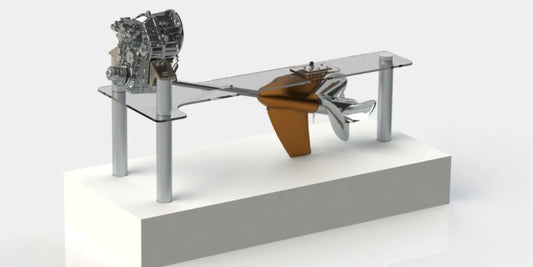
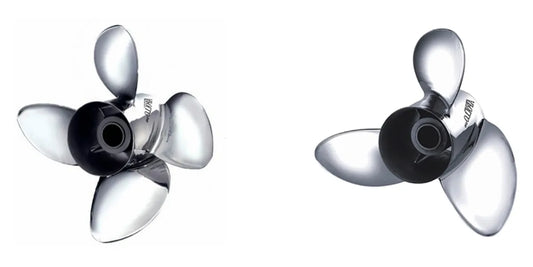
A Marine Propeller is a fan-like rotating device that enables a vessel to move through the water. It works by the constant different pressure on the forward and backward sides of the propeller’s blades. Subsequently, the spinning of the propeller makes the water flow in a reverse direction due to the curved blades that were pushing the water in this manner and, thus, an opposite force will have been generated—thrust—that will push the boat forward. Key elements of a propeller are the hub, which is mounted on the propeller shaft, and the blades, which are the slanted surfaces producing thrust.
Boat Propellers Varieties
Propellers are made with different designs that complement varied boats and the boat’s performance needs. Aluminium and stainless steel are the most commonly used materials, but bronze and composite materials are also employed.
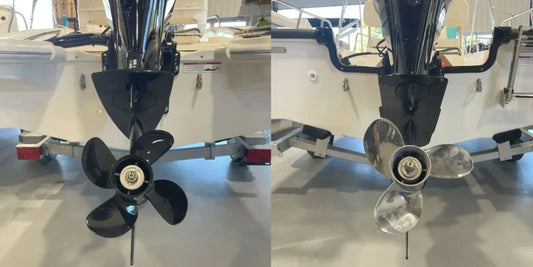
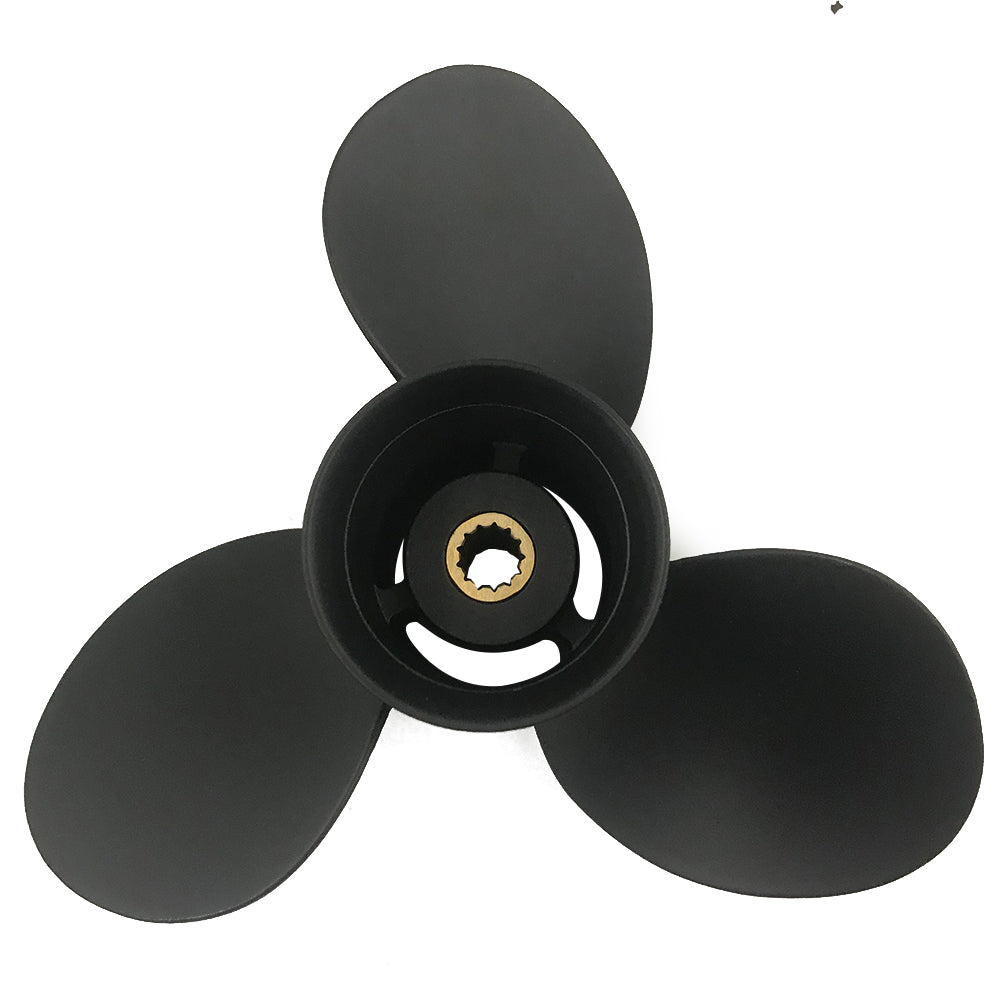
Aluminum Propellers: These are the most common and least expensive propellers. They are light in weight and, in the case of most boats used for recreational purposes, they offer good performance. The curious thing about aluminum is that it is built to break on impact, thus, compensating by saving some of the engine's vital parts that are of more value. Nevertheless, they last for less time than stainless steel, and they are also likely to get damaged by minor impacts more.
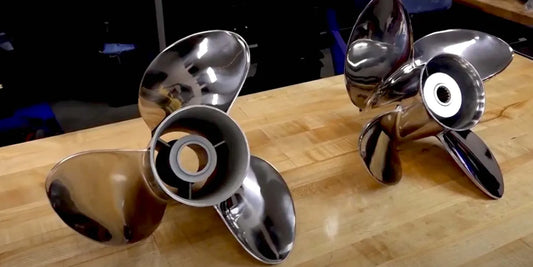
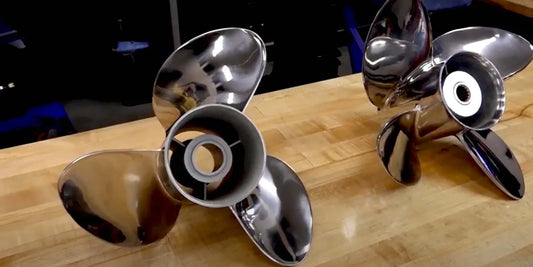
Stainless Steel Propellers: Being more durable and costlier for the mass compared to aluminum, stainless steel propellers bring the table superior performance. With the possibility of having the blades produced so thin that efficiency is improved, no wonder, these propellers are also accepted for their non-corrosive and impact-resistant nature. Besides, they are usually the ones that will be directly or indirectly linked to high-speed boating.
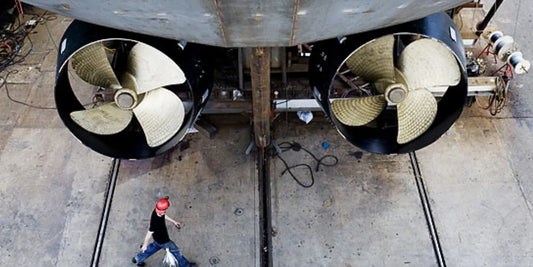
Bronze Propellers: These are usually found on larger boats and inboard motors, bronze propellers are famous for their strength and endurance. Besides being strong, bronze does not react with seawater to cause corrosion.
In case you are looking for information regarding Composite Propellers, they are usually made of materials such as carbon fiber or plastic and as a result, light in weight and with replaceable blades. This makes it very easy to repair them on the water, where a single damaged blade can be changed on its own, without replacing the whole propeller at all.
The propellers with different blade numbers are for different types of use; the three-blade ones being so far the most common for general and auxiliary use, balancing the speed and efficiency. The four and five-blade propellers, on the other hand, offer easier acceleration and operating while ensuring the quietest operation, which is good for watersports and large vessels.
Importance of Precision in Propeller Design
The goal of propeller design perfection is reached only when each and every detail is being taken into account. The diameter which is the length of the widest part of the spinning blade, and the pitch, blade count, and blade shape which are all factored in the calculation are then matched to a particular combination of engine and hull.
Diameter: The length across the circle made by the tip of the blade. A larger diameter usually means more thrust but requires more power from the engine too.
Pitch: Theoretical pitch is the distance the propeller would see going forward by one full turn. High pitch means higher top speed and slower acceleration, whereas low pitch means better acceleration and a lower top speed.
Blade Geometry: Blades' shape, thickness, and cupping have an effect on the way the propeller holds the water. Even small deviations from the initial design may lead to performance drops, vibrations, and higher fuel consumption.
Due to the necessity of precision, any repairing work has to be performed very cautiously and intently to ensure that the propeller is restored to the exact factory specifications.
Common Issues Leading to Propeller Damage

Common problems with boat propellers
Propellers are prone to damage in different forms, most of which can be seen right away when they are checked.
1. Bent Blades: In many cases, this follows a crash against a hidden object like a log or stone. A blade that has bent disrupts the evenness of the propeller and water flow weaning, which is the reason for vibration and poor performance.
2. Unnoticeable loss of material or damage to the blade profile: Even small dents on the blade edge or the blade tip could have severe effects over time. These minor damages cause additional flow resistance due to the swirling air or water the angular dents create.
3. Cracked Blades or Hub: At the end of a propeller shaft, most likely the hub, are where most impacts are centered. As a result, large parts of the blade or the whole hub can be damaged, leaving the propeller not working. If a blade is cracked, then reinvigorated or if it can not be, the whole propeller must be replaced immediately to avoid an imminent breakup.
Corrosion and Cavitation Burn: If not treated properly, corrosion will eat away at propeller material, especially in saltwater. Besides, the collapse of water vapor bubbles around the blades, a phenomenon called cavitation will cause pitting and erosion, or so-called "cavitation burn."
Impact of Hull Damage on Propeller Performance
Along with the hull, the propeller will also be influenced by the boat's hull. The reason for this is that a hull that is covered with barnacles and other marine growth is said to have drag and so the engine and the propeller are made to work harder. Consequently, this can also reduce the speed and cause the fuel consumption to be much higher. The same is true of hull damage as it may alter the water flow to the propeller thus causing cavitation and subsequently reduced efficiency and in turn, lower perf Take regular cleaning of the hull and its preventive maintenance as part of the boat's gears and perform these tasks not only to prevent the at all costs but also diseases.
Environmental Factors Affecting Propeller Longevity
If you operate your boat in an environment that has a high rate of saltwater, then you would need to replace your propeller more often than if you were using it in freshwater as saltwater is destructive to metal parts. In other words, an aggressive environment like saltwater not only shortens the propeller life through corrosion but also very importantly promotes cavitation wear which in this case extends beyond the material loss due to corrosion.
The risks associated with the operating environment increase significantly when a vessel is operated in shallow, sandy or rocky areas.
Corrosion in saltwater is highly accelerated due to the high salinity level, this especially affecting aluminum propellers. The usage of sacrificial anodes, as well as washing the propeller with fresh water after its each use, could properly mitigate this issue.
sheets of big fragments that could be separated from the floating debris like logs, branches, or trash, because propeller is being exposed to a constant threat.
Step-by-Step Marine Propeller Repair Process

Inspection Techniques for Propeller Damage
The very first thing to do when dealing with damaged propellers is to have them thoroughly inspected. Remove the propeller from the shaft and completely clean it. Look carefully at each blade to find out if there are any bends, nicks, cracks, and signs of the blade's erosion. Put a straight edge against each of the blades to check their flatness and identify whether they have bent or not. Be very attentive to the leading edges since they are the ones where the most damage usually occurs. It is also necessary to examine the hub for any crack or any sign of slippage (for hub being made of rubber).
Repairing Aluminum and Stainless Steel Propellers
The repairing process as well as the extent of damage usually determines the material and work required.
Minor Nicks and Dings: If there are small nicks that occurred on the aluminum or stainless steel propeller then a file is enough to smooth the damaged edge. The most important thing is to remove as less material as possible and at the same time to maintain the original shape of the blade. Make sure the filed area becomes smooth and joins up well with the rest of the blade.
Bent Blades: A bent blade is rather sensitive to repair. If the propeller is made of aluminum, the blade has to be gently heated so that the metal becomes soft enough to be hammered back to its original shape. With this, once again one should be really careful not to weaken the metal. The stainless steel is much harder and usually straightening it needs the use of hydraulic presses and anvils which are properly manufactured and which are not likely to bring the stress fractures on the material.
Welding and Precision Repair Methods
On the other hand for more serious damages such as missing pieces or huge cracks welding is essential.
Welding: TIG welding process involves fusion of new material with the once damaged surface. The filler rod to be used must be the same type of the propeller's base metal (e.g. - aluminum rod for aluminum props). The whole process of welding must be carried out meticulously so as to have an uninterrupted strong bond without new stresses being injected to the blade.
Shearing and Cutting: Following the welding process, the superfluous material is cut to shape level with the original blade contour. This is a very crucial step that only a skillful hand can take care of in order to re-establish the exact shape and thickness of the blade.
Calibration: When all the blades have been repaired, the whole propeller has to be balanced statically. Having a propeller that is not balanced will cause violent vibrations. The procedure consists of putting the propeller on a balancing support and the addition or removal of small quanta of material from the blades will be done until it is absolutely horizontal.
Endurance of coal: The last phase is to smoothen the propeller's surface. It includes grinding and buffing for a very sleek finish that will not create drag. In the case of aluminum propellers, a layer of paint is applied to the surface in order to prevent corrosion.
Best Practices for Boat Propeller Maintenance

Regular Boat Inspection and Maintenance Procedure
You are advised to include the propeller inspection in your boating routine.
Pre-Trip: Examine the propeller visually to see if there is any damage, which is especially important when your engine is near rocks or fish at the bottom of rivers and lakes.
Post-Trip: Stop your boat and use it well; then inspect the propeller after you take the boat out of the water. If the boat is used in saltwater, it is highly recommended to thoroughly sprinkle fresh water over the propeller to wash away the salt and prevent the propeller from corrosion.
Annual Maintenance: Take the propeller off the boat at least once every year. Make sure it is spotlessly clean and look for any possible damage that you might have missed during a quick check the rest of the year. The propeller should also be checked for straightness, the shaft and splines for wear. It is the time to replace the sacrificial anode if necessary and also to re-grease the splines.
How to Choose the Right Propeller Material
Using a propeller fabricated from appropriate materials and suited to the type of boating you do can significantly reduce maintenance and repair work. In case you and your boat make many a voyage over shallow rocky places, then a stainless steel propeller which is more durable and also more costly might become a good long-term investment. If, on the other hand, you find your boat mainly in open and deep waters, then an aluminum propeller might be good enough and it will also provide the advantage of shielding engine parts in case of a very rare and hard hit.
Tuning Your Propeller for Optimal Performance
The user wants to know how to tune his boat's propeller. The propeller tuning being talked about here is nothing but the refinement of the propeller's pitch, cup, and blade tip thickness so that the performance for the given boat and engine is the maximum one can get. Changing pitch, cupping and thinning are some of the methods that a professional propeller shop can apply to give a boat the necessary power or speed it may be lacking. But the most significant factor is always the blades. Bilge, which is in fact where most of a boat's resistance during acceleration and top speed comes from, is not only an area where the thinning of blades is done but also the one that contributes to the sharpness of the turning radius of the boat.
When to Seek Professional Propeller Repair Services

Signs You Need Expert Assistance
There are some types of damage that will hurt the boat if not properly fixed by a trained professional with the right tools.
Big and Serious Blade Damage: The services of a professional are definitely needed when a large part of a blade is missing or the blade is very severy bent, to weld new material, and reshape it to factory specifications.
Cracks: On the part of a blade or a hub there is any sign of a crack, consider it a very serious problem. Not doing the correct repair work with proper welding and stress-relieving methods can result in a catastrophic failure.
Vibration: Even if the damage is not visible, a new or worsened vibration, or shaking felt after impact is one of the signs that the propeller has been damaged. One should not try to balance or straighten the propeller without all the necessary tools and skills. The issue can only be explored and solved in a professional shop.
Performance Loss: For instance, a significant drop in speed or an increased fuel consumption could be an indirect indication of propeller damage that is still there and is interfering with the vessel's efficiency.
What to Look for in a Propeller Repair Specialist
When looking for a repair shop, consider the shop's experience and reputation. A shop with the right standing will have certified and qualified technicians, the latter being specialists and distributors of dynamic balancers, pitch blocks, and welding gear. They ought to bring your propeller to either the National Marine Propeller Association (NMPA) or ISO standards. Check their work samples and, in addition, ask about the process to make it all precise.
The Propeller Material and the Repairing Cost
The repair cost will mostly depend on the propeller material and the damage sustained. Aluminum propellers are comparatively cheaper to repair than to buy new ones. For stainless steel propellers, the repair is costly mainly due to the difficulty in handling the material. However, it is still one of the most cost-effective ways considering the price of new stainless steel props. Always make sure the quote covers checking, welding, shaping, balancing, and finishing.
Reference Sources
Boat Propellers: Repairs & Replacement Guide - Discover Boating
Guide to Boat Propeller Repair vs. Replacement - Michigan Wheel
The Essentials Of Boat Propeller Repair - Hull2Prop
Propeller Maintenance - Boat Maintenance Tips - Mercury Marine
Computer Propeller Repair Basics - Boating Magazine
Frequently Asked Questions (FAQs)
How do the signals look when my marine prop needs repair?
If you notice a decrease in your boat's performance or hearing unusual noises during navigation, be advised to check your propeller as soon as possible. Minor impacts can create bent propeller blades which could interfere with the performance of the boat. Moreover, if you are facing cavitation problems or you are having difficulty in getting on plane, your prop may be in need of repair. Maintenance and inspection checks on a regular basis can stop a catastrophic incident and keep your prop in good shape.
How can I protect my propeller from damage?
It is always better-controlled because the process of propeller repair uses up the original material of the propeller which somehow is a waste. Repairing does not result in the original performance of propeller whereas sometimes repairing the damaged propeller gives a performance that is not less than a new propeller.
Propellers for boats are made of a variety of materials.
Applications such as propellers of boats are typically built with the use of materials like stainless steel, aluminum, and bronze. The durability and corrosion resistance of stainless steel propellers are qualities that have made them a top choice among many boat owners. Aluminum propellers, on the other hand, are lightweight and frequently come at a lower price which makes them perfect for smaller boats or outboards. It should be noted that each material used for propellers has its set of pluses and drawbacks. Performance, weight, and cost are just some of the factors to consider before choosing the correct propeller material for the boating experience you desire. Besides, the use of precision manufacturing techniques can also play a major role in both the better performance and longevity of a propeller.
Why is precise machining process so essential to propeller repair in a marine setting?
There is a considerable amount of file place taken up by precision in repairing marine propellers to ke the boat performance and efficiency. Repairing a propeller very accurately means that the blades are correctly aligned and balanced, so vibrations and therefore propulsion efficiency are reduced. The use of prop scan and custom fabrication methods can be very beneficial in both cases and can contribute to the assessment and revival of the worn-out propeller. Unorganized propellers or improperly repaired propellers can cause more shaft and transaxle wear before the jet is started, and hence decrease the longevity of the propulsion as a whole. Thus, making certain that the repair work is in compliance with the ideal methods is a must for the peak performance achievement and the ultimate increase in the propulsion power of the vessel.
Where can I pay for my propeller to have professional work done?
Finding a dependable propeller repair service is made easier by going through a certified prop shop which mainly focuses on marine propeller repair. Associations with organizations such as the National Marine Propeller Association can convey their commitment to quality and standardization. We must not forget to consider the experiences other boaters had gone through by reviewing customer reviews and testimonials. In addition, one must know about the shop's repair methods and Question if they use precise tools. A good service should provide you with pricing that is clear and give you the repair process along with all the details, leaving you with no doubt regarding their professionalism.
Tags:
Previous
How to Choose Between 3 and 4 Blade Props for Optimal Performance
Next
A Detailed Comparison of 3 Blade or 4 Blade Prop for Maximum Efficiency